
Table of Contents
- Is DPF Delete Legal in 2026? The Short Answer
- How a DPF Works and Why It Matters for Emissions
- MOT Emissions Test Requirements and DPF Checks
- DPF Removal Penalties: Fines, MOT Failure and Insurance Risks
- DPF Cleaning vs Removal: Which Option Keeps You Legal?
- Pros and Cons of a DPF Delete
- Legal Alternatives and Technical Diagnostic Options
- Frequently Asked Questions
Last Updated: September 25, 2026
Is DPF Delete Legal in 2026? The Short Answer
No. Removing a diesel particulate filter from a vehicle used on public roads is illegal, and 2026 brings stricter enforcement, not looser rules. This guide from Naked Frog Vehicle Tuning explains what that means for your car, van or HGV.
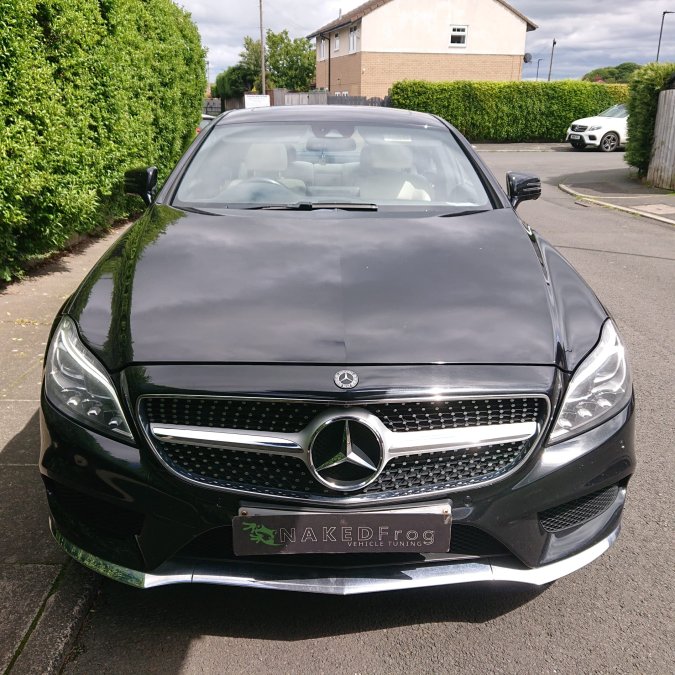
A DPF delete means cutting out or gutting the filter that traps soot from your exhaust. It is a form of emissions tampering.
How a DPF Works and Why It Matters for Emissions
A diesel particulate filter is a honeycomb trap that catches soot from your exhaust before it reaches the air. It captures the fine particles linked to poor air quality and health problems.
DPF vs AdBlue: What Each System Does
These two systems are often confused, but they do different jobs:
- DPF: traps solid soot particles in the exhaust
- AdBlue: a urea fluid injected to cut nitrogen oxides (NOx)
- EGR: recirculates exhaust gas to lower combustion temperature
MOT Emissions Test Requirements and DPF Checks
The MOT now includes a specific DPF check. If your vehicle was built with a filter, the tester will look for it.
Here’s what testers check:
- A visible DPF canister on the exhaust system
- No signs of it being cut open or hollowed out
- The engine management light is not on
- Smoke opacity stays within limits
DPF Removal Penalties: Fines, MOT Failure and Insurance Risks
Penalties for DPF removal go well beyond a failed test. This is where most guides stop short, and it’s where the real cost sits, because the financial damage usually arrives months after the delete, not at the roadside.
What actually happens if you’re caught
There is no single “DPF delete fine” in law. Instead, several separate regimes can bite at once:
- MOT failure. A missing or hollowed-out filter is a fail. The vehicle cannot legally be driven on the road until it is repaired and retested, and a retest fee applies.
- Roadside enforcement. Police and the Driver and Vehicle Standards Agency (DVSA) can stop vehicles and inspect emissions equipment. A vehicle found with tampered emissions equipment can be issued with a prohibition notice, which takes it off the road immediately.
- Construction and Use offences. Driving a vehicle that no longer meets its original emissions standard can be treated as using a vehicle in a dangerous or non-compliant condition. That can lead to a fixed penalty or, in serious cases, prosecution.
- Operator licence risk. For anyone running vans or HGVs under an operator licence, an emissions tamper is a compliance failure. The Traffic Commissioner can call the operator to a public inquiry, and the licence, and therefore the business, is on the line.
The insurance problem nobody warns you about
This is the part that catches people out. A DPF delete is a modification. Your insurer priced your premium on the vehicle as it left the factory. If you remove the filter and don’t tell them, you have changed the risk they agreed to cover.
In practice, that means:
- The policy may be treated as void or voidable. If the insurer can show the modification was material to their decision to insure you, they can decline the claim.
- You may be left personally liable. If a claim is refused, you are responsible for the other party’s vehicle, property damage and any injury costs, not the insurer.
- Driving uninsured is a separate offence. If the policy is void from inception, you were effectively driving without insurance, which carries its own penalty points and fine.
- Even notifying them may not help. Many mainstream insurers simply decline to cover a vehicle with a deleted DPF, so you may be pushed toward specialist modified-vehicle cover at a much higher premium, or refused entirely.
An undeclared DPF delete can void your insurance entirely. If you crash, the insurer can refuse to pay, leaving you liable for damage and injury costs, and you may face a separate charge for driving uninsured.
Resale value and the paper trail
The delete doesn’t stay hidden forever. A main dealer inspecting a part-exchange will check the emissions equipment, and a private buyer’s pre-purchase inspection will flag a missing canister or a non-standard exhaust. Once the modification is on record, through an MOT advisory, a dealer inspection or a diagnostic scan, the vehicle is harder to sell and worth noticeably less. Buyers who do want it are a narrow market, and they know it.
| Risk | What Happens | Impact |
|---|---|---|
| MOT failure | Filter missing or hollowed | Vehicle off the road, retest fee |
| Prohibition notice | Caught at roadside check | Vehicle taken out of service |
| Insurance void | Undeclared modification | Claims refused, personal liability |
| Driving uninsured | Policy void from inception | Points and fine |
| Operator licence | Fleet compliance failure | Public inquiry, licence at risk |
| Resale value | Buyer or dealer discovers the delete | Price drops sharply |
DPF Cleaning vs Removal: Which Option Keeps You Legal?
DPF cleaning keeps you legal. Removal does not. That’s the whole comparison in one line.
Pros and Cons of a DPF Delete
Weighing up a DPF delete? Here’s the honest picture, including the parts sellers tend to skip.
Pros:
- Removes the immediate blockage problem
- Can restore power on a failing filter
- Cheaper upfront than a new filter in some cases
Cons:
- Illegal for public road use
- Automatic MOT failure
- Insurance may be void
- Resale value takes a hit
- Fines and penalties apply
For any vehicle used on public roads, a DPF delete is illegal, fails the MOT, and can void your insurance. Cleaning or replacing the filter is the only compliant option.
Legal Alternatives and Technical Diagnostic Options
Legal fixes exist, and they work, but only if you diagnose the actual cause first. Most DPF problems are not a dead filter. They are a symptom of something else, and replacing or deleting the filter without finding that cause just moves the problem downstream.
Start with diagnosis, not replacement
A diagnostic scan reads fault codes from the exhaust gas pressure sensor, the temperature sensors and the engine management system. Those codes tell you which of these you are actually dealing with:
- Soot loading. The filter is full of soot because regeneration hasn’t been completing. Common on short, stop-start journeys where the exhaust never reaches the temperature needed to burn soot off.
- Ash loading. Non-combustible ash from engine oil accumulates over the filter’s life and cannot be burned off by regeneration. This is the one that eventually requires cleaning or replacement.
- Pressure sensor fault. A failed differential pressure sensor can report a blockage that isn’t there, or hide one that is. This is a cheap fix that is often mistaken for a dead DPF.
- EGR or injector fault. Excess soot production from a faulty EGR valve or leaking injector will keep clogging a healthy filter. Cleaning the DPF without fixing the cause means it blocks again.
Before replacing a DPF, check the fault codes properly. A failed sensor can mimic a blocked filter, and fixing the sensor is far cheaper than a new unit.
The legal options, in order of cost
1. Forced regeneration. A garage runs the engine under controlled conditions to raise exhaust temperature and burn off accumulated soot. It is the first thing to try on a soot-loaded filter, and it is the cheapest intervention. It will not help an ash-loaded filter.
Driving habits that keep a DPF healthy
Regeneration needs heat, and heat needs a run. A regular sustained drive at motorway or dual-carriageway speeds gives the exhaust time to reach the temperature that burns soot off. Vehicles used almost entirely for short urban trips are the ones that clog most often. If that is your usage pattern, a periodic longer run is cheaper than a repair.
What we do
At Naked Frog Vehicle Tuning, we diagnose the actual cause before recommending anything. Our mobile service comes to you across the North East, and we handle DPF, AdBlue and EGR issues on cars, vans, motorcycles and HGVs. If you’re weighing up a repair, our team can talk you through the legal options before you commit.
Frequently Asked Questions
Will DPF deletes become legal in 2026?
No. Removing or gutting a DPF remains illegal for road use because it breaches construction and use requirements and the MOT inspection manual. There is no active regulatory consultation proposing to legalise DPF removal for public roads. Any vehicle that fails an MOT for a missing or tampered filter cannot be driven legally until it is repaired and retested, so a DPF delete is not a route to compliance in 2026.
Can I pass an MOT with a DPF delete?
It is very unlikely. MOT emissions test requirements include a visual check for a missing or hollowed-out filter and a smoke opacity test. A deleted DPF usually produces visible smoke and triggers an engine management light or diagnostic trouble codes, both of which are grounds for failure. Even if a tester misses it, the vehicle is not roadworthy and you risk points, fines and invalidated insurance.
Does removing a DPF affect vehicle insurance?
Yes. A DPF delete is a modification that must be declared to your insurer. Most policies will either refuse cover or void the policy if the change is undisclosed. If you are involved in a claim and the insurer finds the emissions equipment has been tampered with, they can refuse to pay out and cancel the policy, leaving you liable for repairs, third-party costs and potential legal action.
What are the penalties for driving a vehicle without a DPF?
Driving without a working DPF can lead to an MOT failure, a fixed penalty or a fine, and in serious cases a prohibition notice that takes the vehicle off the road. You may also face higher tax or enforcement action if the vehicle fails in-use emissions checks. Insurance can be voided, and a non-compliant vehicle is harder to sell, which affects resale value.
A clogged DPF is frustrating, but removing it creates bigger problems than it solves: failed MOTs, voided insurance and a hit to resale value. The legal route keeps your vehicle compliant and your costs predictable. Naked Frog Vehicle Tuning offers mobile DPF, AdBlue and EGR solutions across the North East, with fully customised tuning tailored to your vehicle and a service that comes to you. Get started with Naked Frog Vehicle Tuning and sort your emissions system the right way.